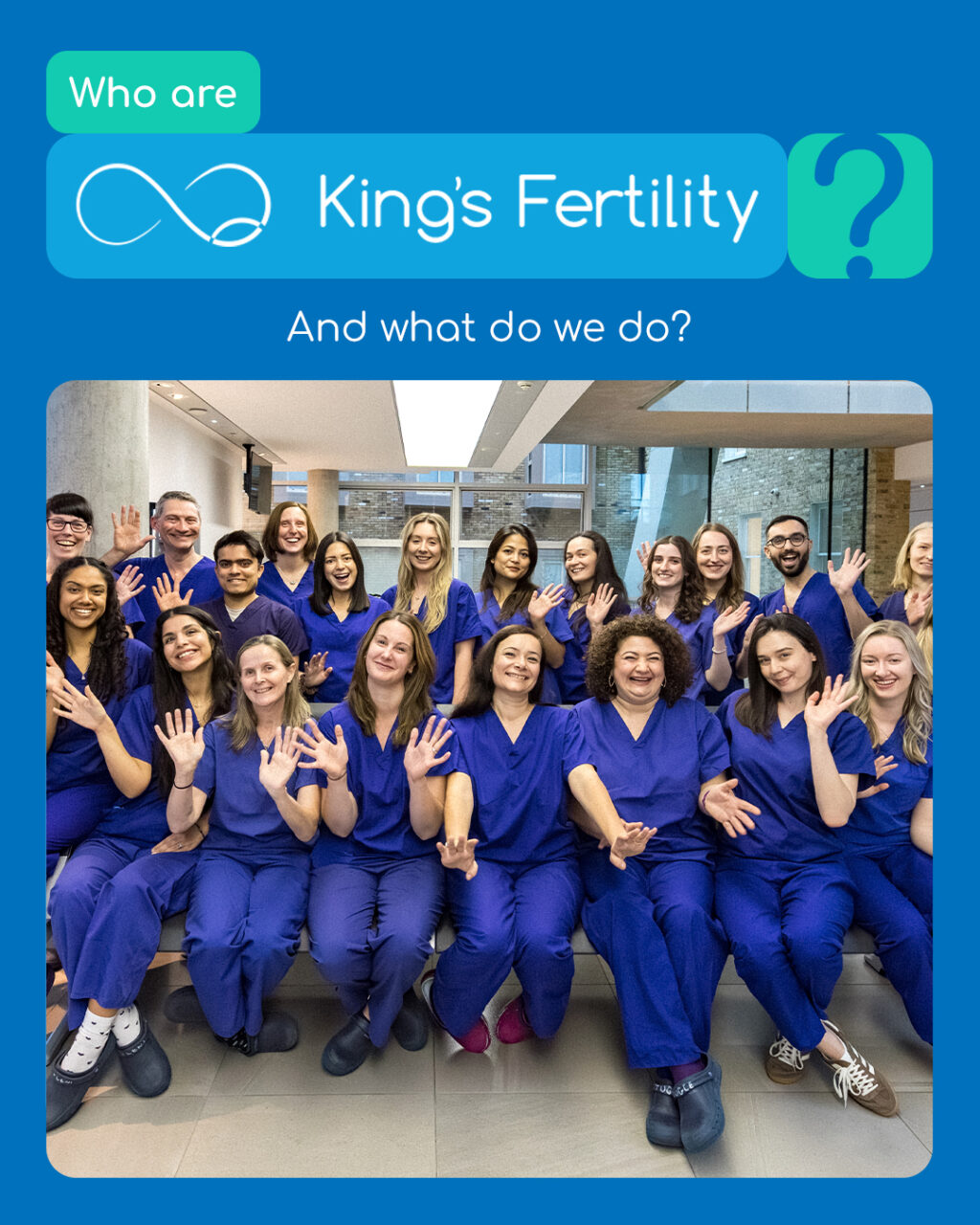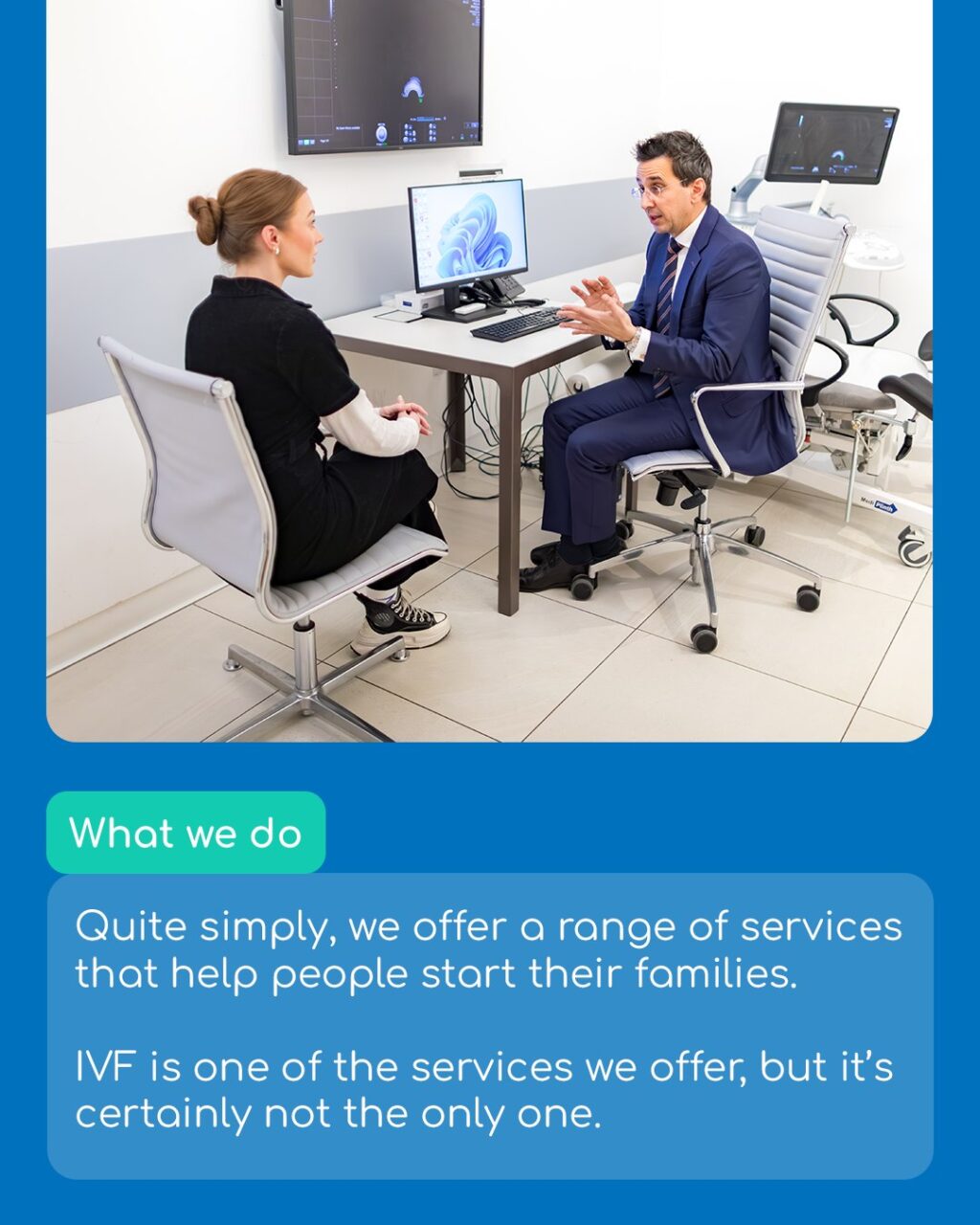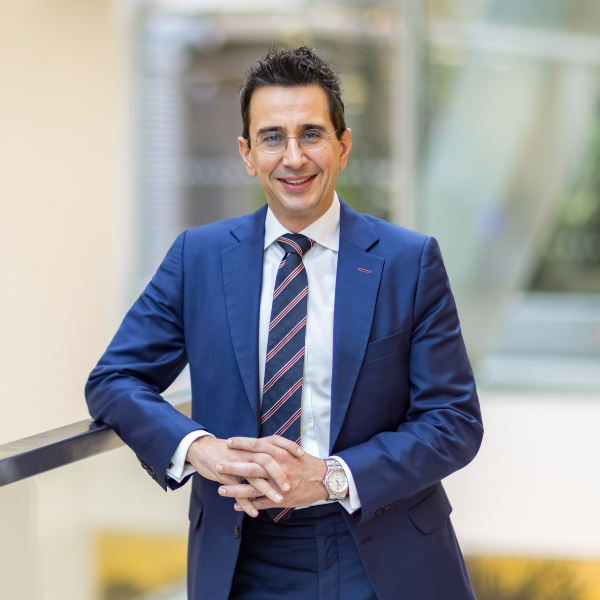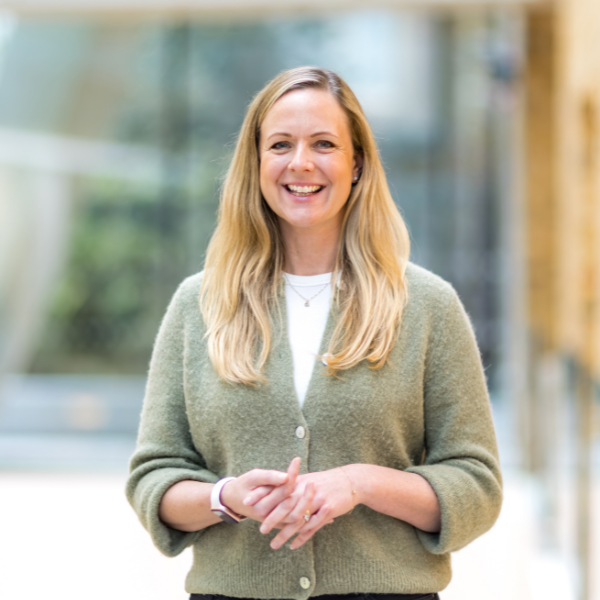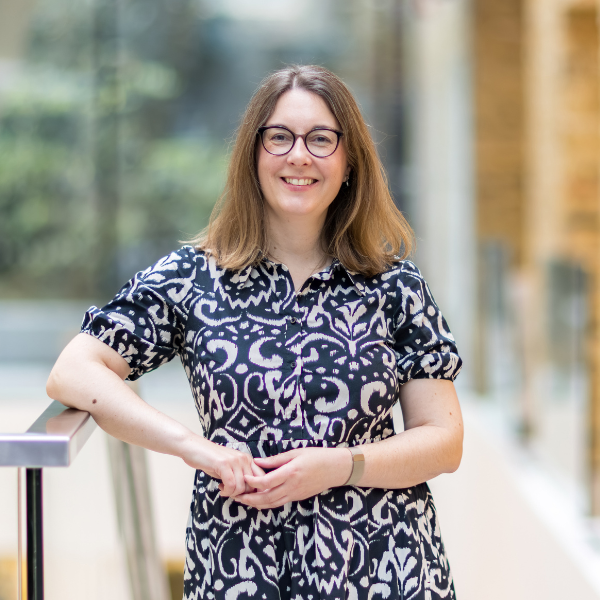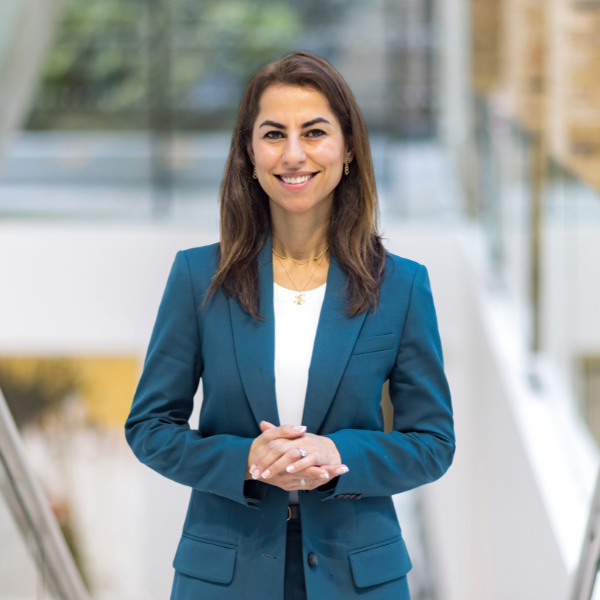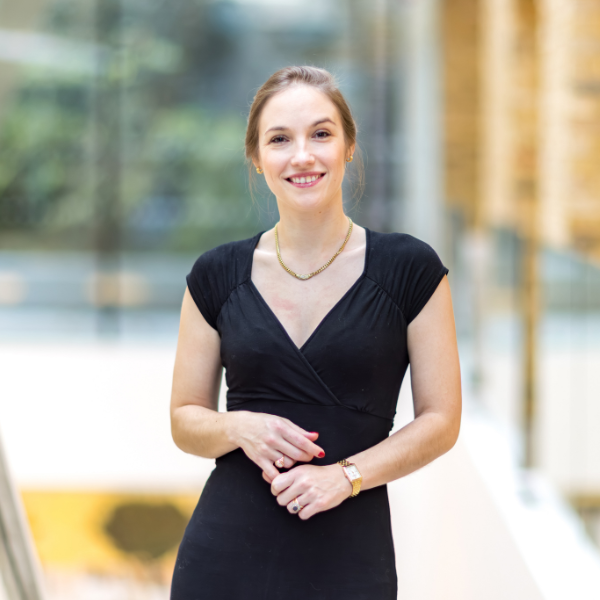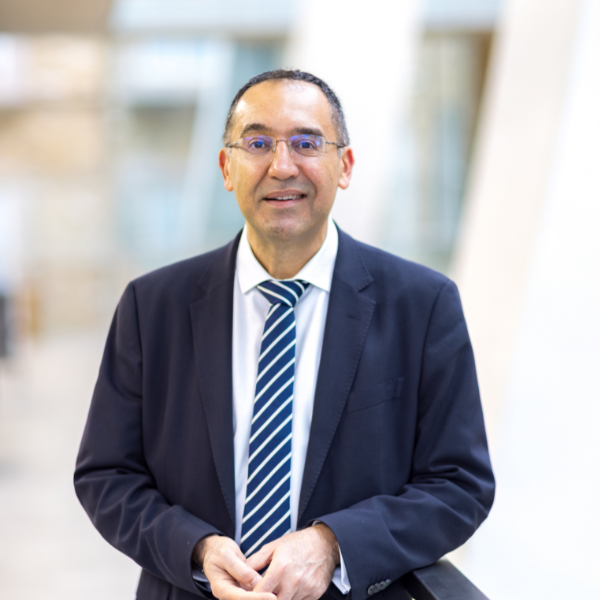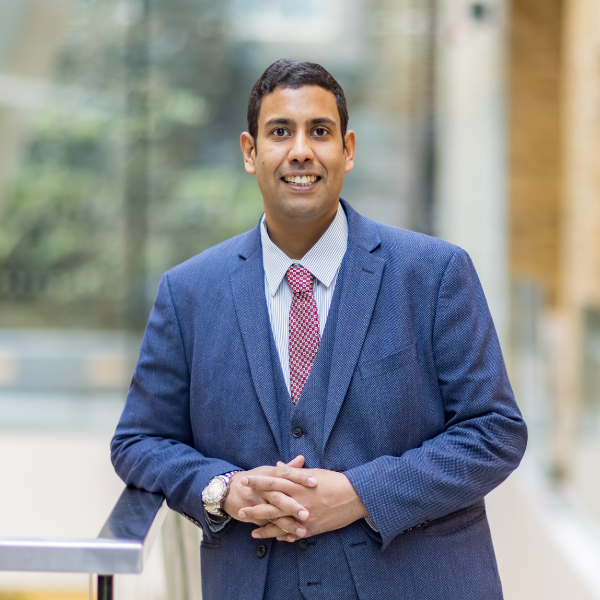
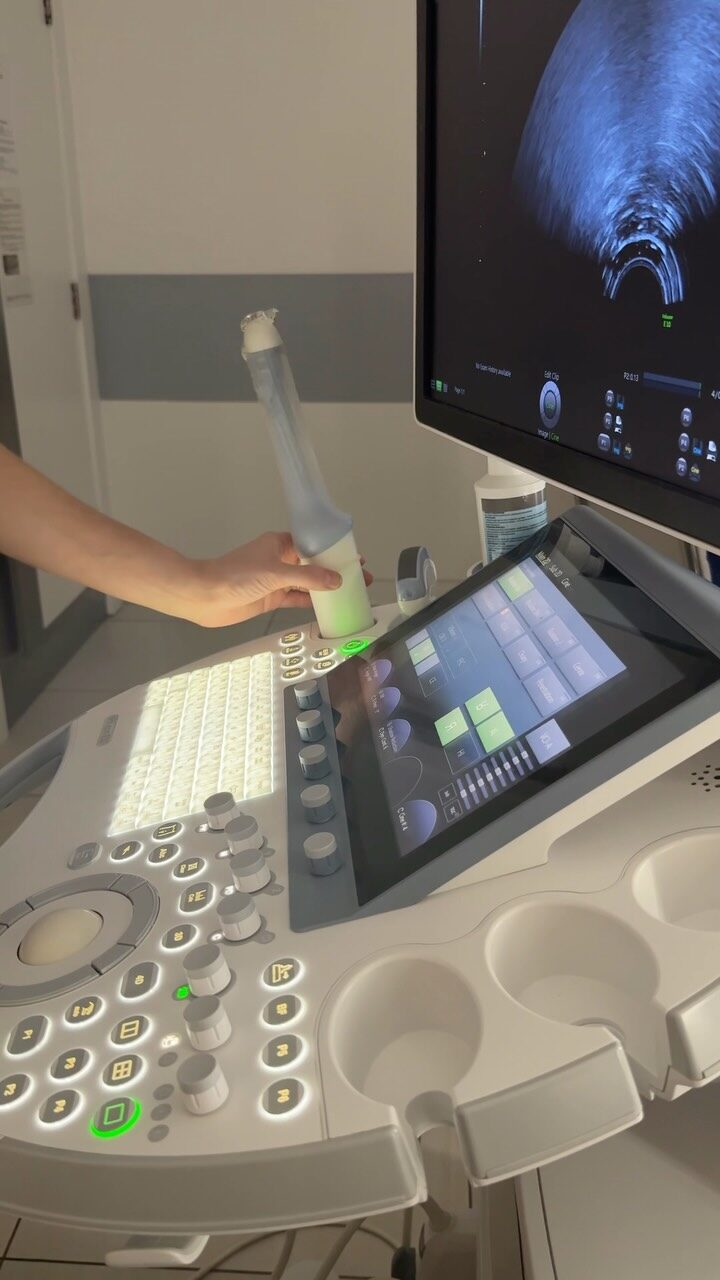
POV: You’re having your first consultation at King’s! Here’s a little look at what to expect when you visit our clinic in Denmark Hill. As soon as you walk through our doors, you’ll see our friendly receptionist. They’ll point you in the right direction for your appointment. Next, one of our doctors will greet you and invite you into their consultation room. You’ll have the chance to talk through your medical history, share your fertility concerns and ask any questions. We’ll then carry out an ultrasound scan to help us understand what might be affecting your chances of conceiving. From the moment you arrive, our team are there to support you and help you feel at ease ❤️
Oct 19
56
There’s a lot to consider when deciding whether IVF is the right treatment for you. Your age, medical history and how long you’ve been trying to conceive are just some of the relevant factors we look at. If you’re unsure of your options, your GP or a consultation with one of our fertility doctors can help you understand what your next best steps are.
Oct 14
6
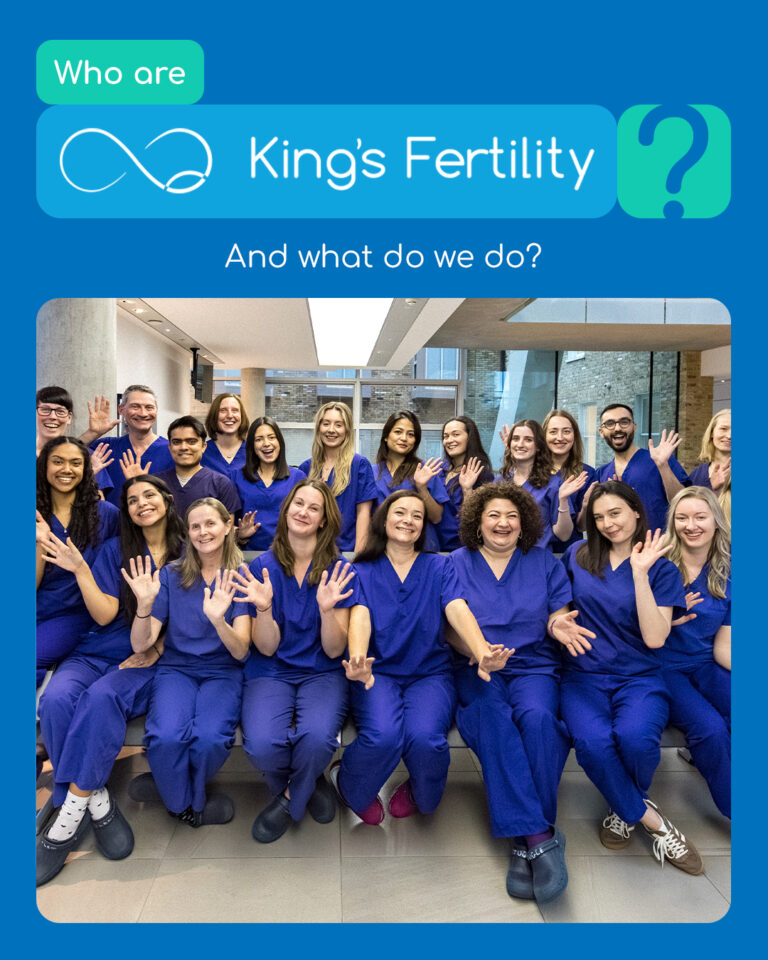
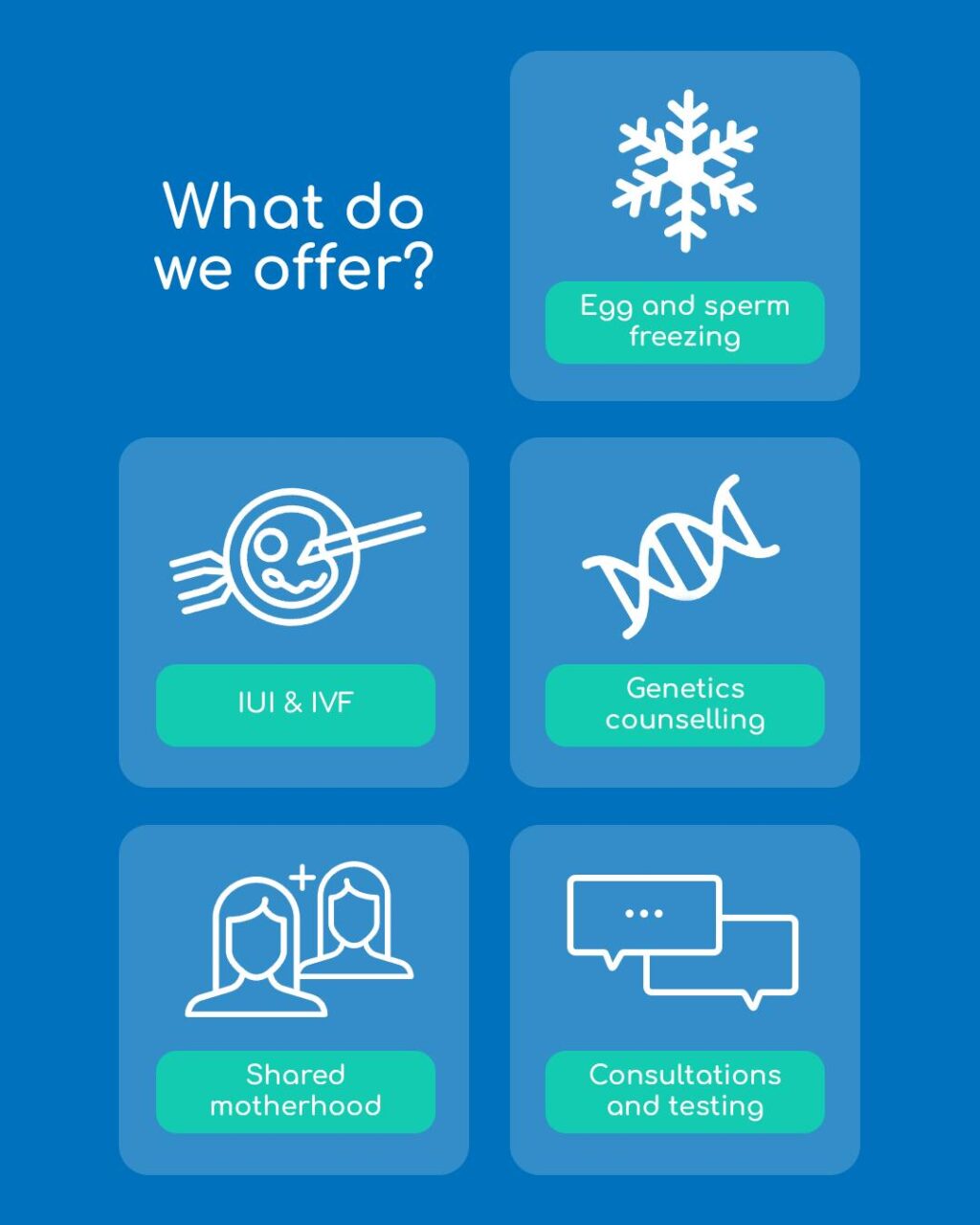
At King’s Fertility, we provide a range of services to support you in starting or growing your family, including: Egg and sperm freezing IUI and IVF Genetics counselling Shared motherhood Consultations and testing Wherever you are on your fertility journey, we can help find and provide you with your next best steps. To see a list of all our services, head to our website through the link in our bio 🔗
Oct 12
59
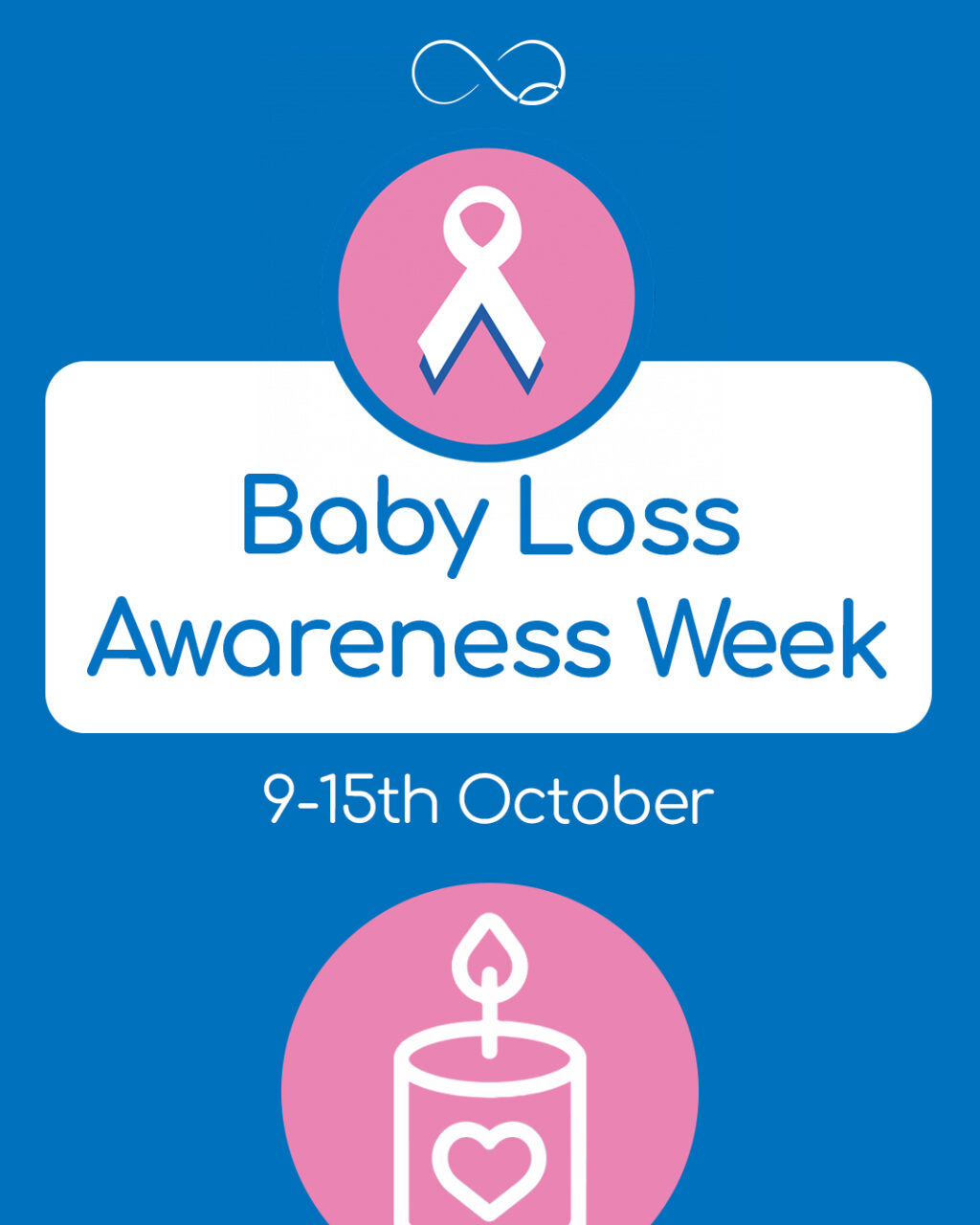
Baby Loss Awareness Week is a time to honour and remember those who left us too soon. If you’re grieving, please be kind to yourself – remember there’s no right or wrong way to process your emotions. Whenever things feel too heavy to carry alone, reach out to your loved ones and support network, this week and every week.
Oct 9
11
It can certainly still be worthwhile to freeze your eggs over the age of 35. Dr Sarris explains why, and what you should consider before making a decision.
Oct 7
9
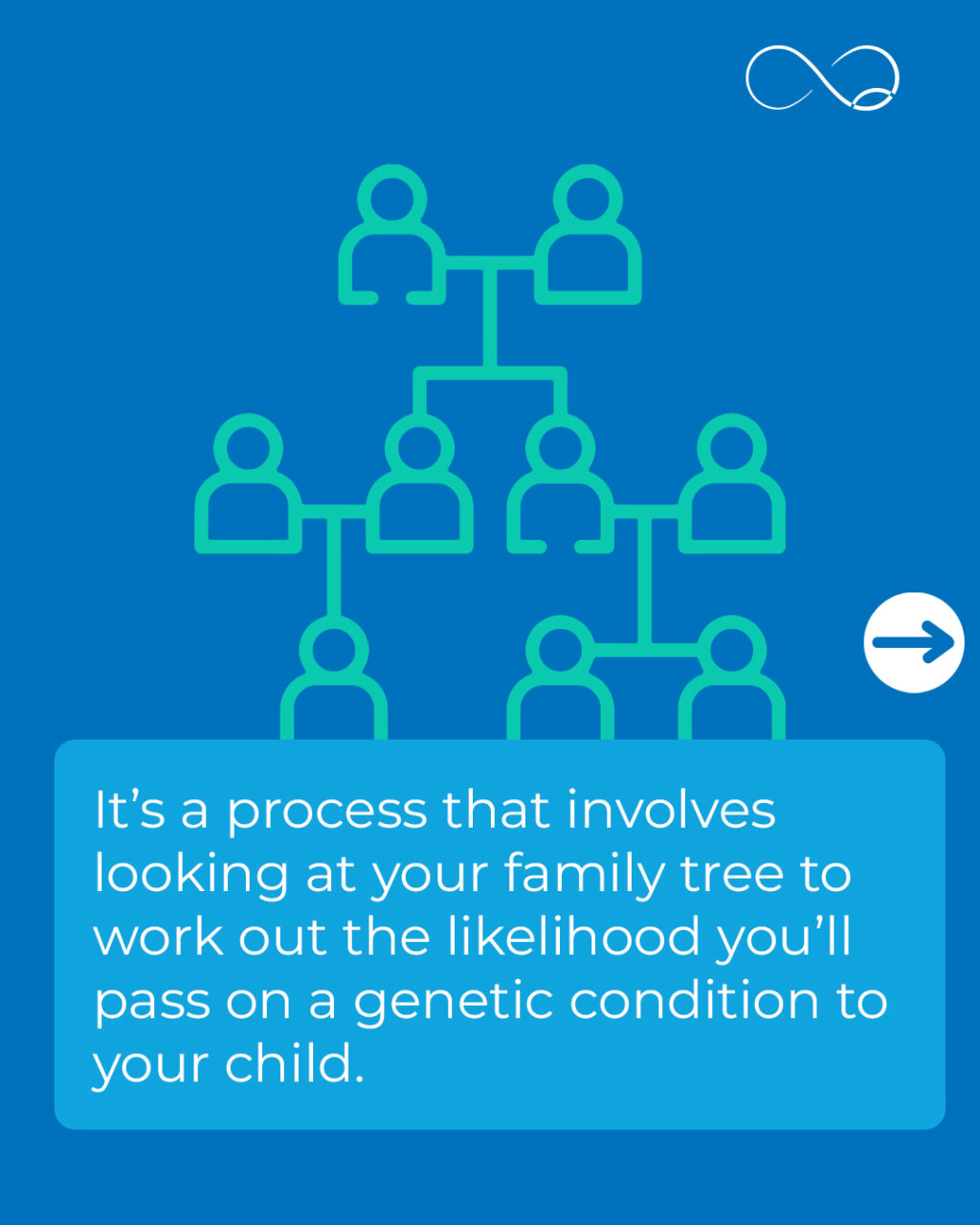
Genetics counselling can help you understand your family history and explore the likelihood of passing on a hereditary condition to your child. If you’re thinking about starting or growing your family and have concerns about a genetic condition, we’re here to help. Our genetics counsellors are compassionate, patient and help you make a personalised plan without ever telling you what to do. If you’d like to find out more, please don’t hesitate to reach out. #Fertility
Oct 5
4
While sperm need to be strong swimmers to reach the egg, they’re certainly not acting alone in their mission! A woman’s womb naturally contracts and relaxes to help the sperm on their way to their fallopian tubes. It’s a team effort. #Fertility
Oct 2
9
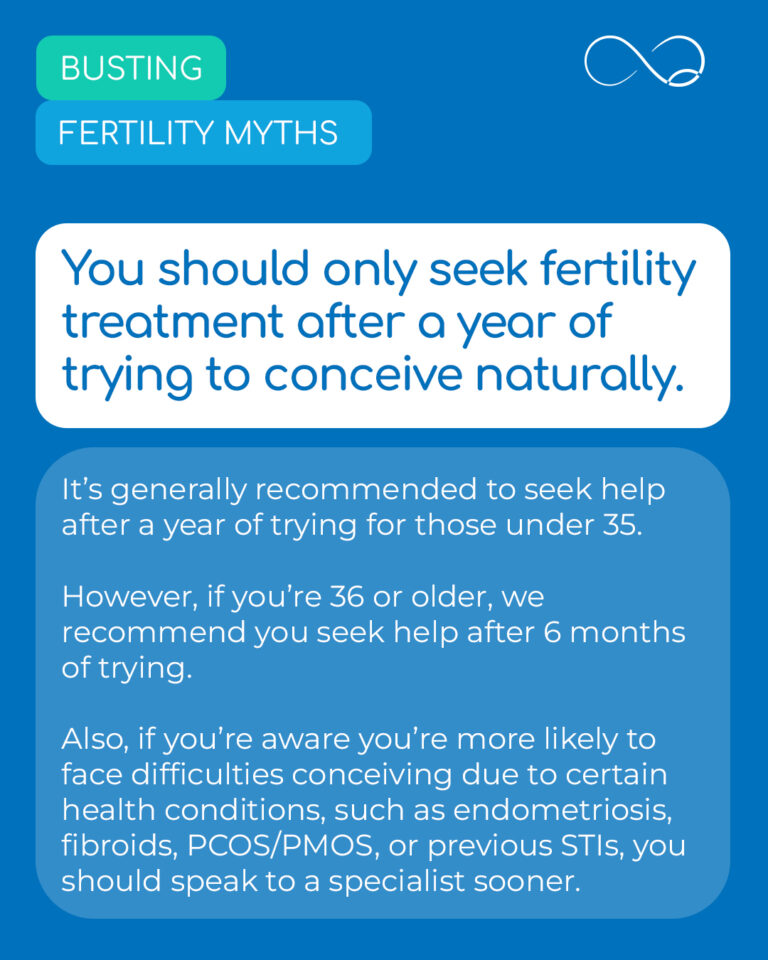
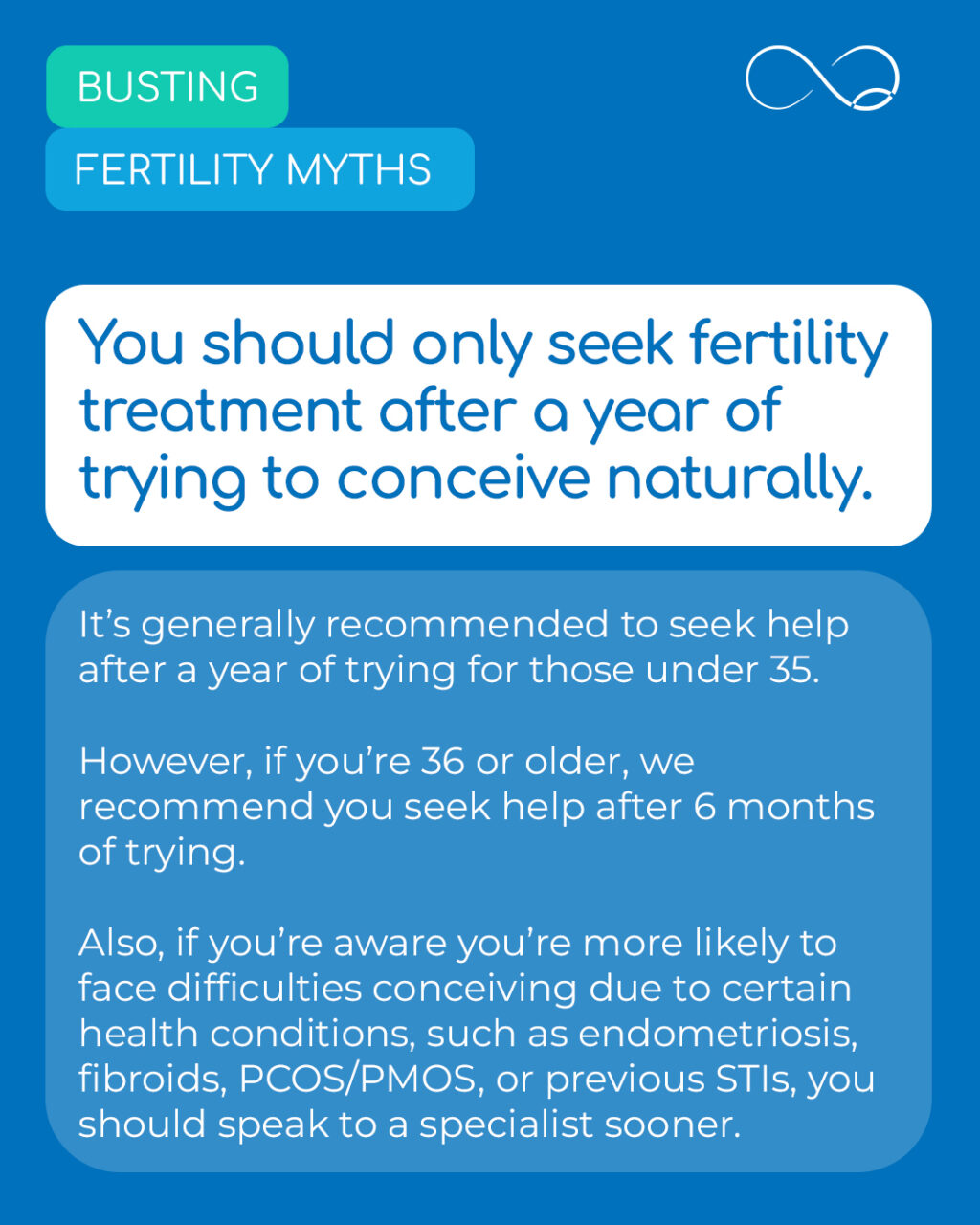
You don’t always need to wait a year before seeking fertility advice. In some cases we recommend seeking treatment sooner. For example, if you have a health condition that could affect your chances of conceiving naturally. If you’ve been trying for a baby for a while, and you’re unsure of your next steps, our team is here to help. Call or email us with any questions or to book your consultation. #Fertility #IVF
Sep 30
6
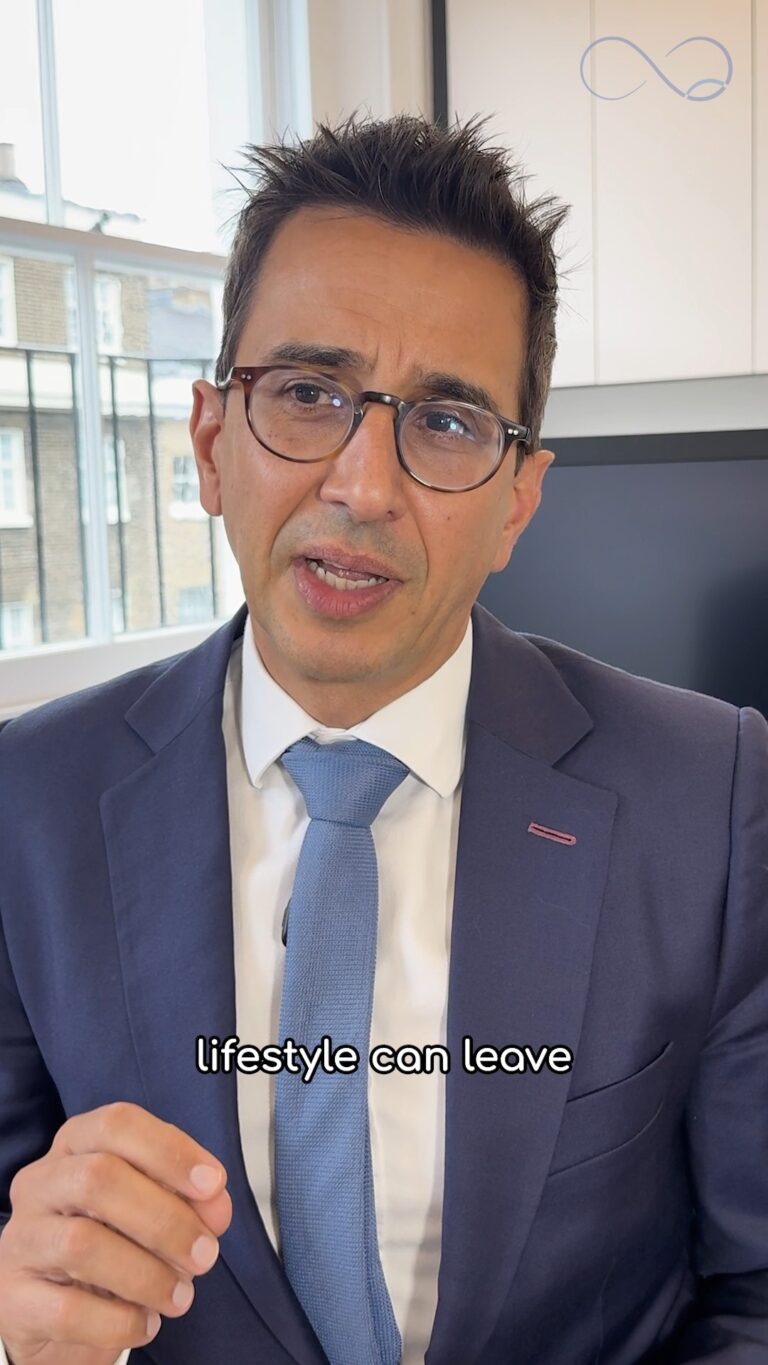
It’s true. Some of your lifestyle choices may affect which genes you pass on to your children. Research suggests certain factors like nutrition leave ‘epigenetic marks’ on your egg or sperm cell’s DNA. These are tiny chemical footprints that affect which genes are switched on and off. So living a healthy lifestyle may influence more than just your own life – it can affect future generations too! #Fertility
Sep 28
16
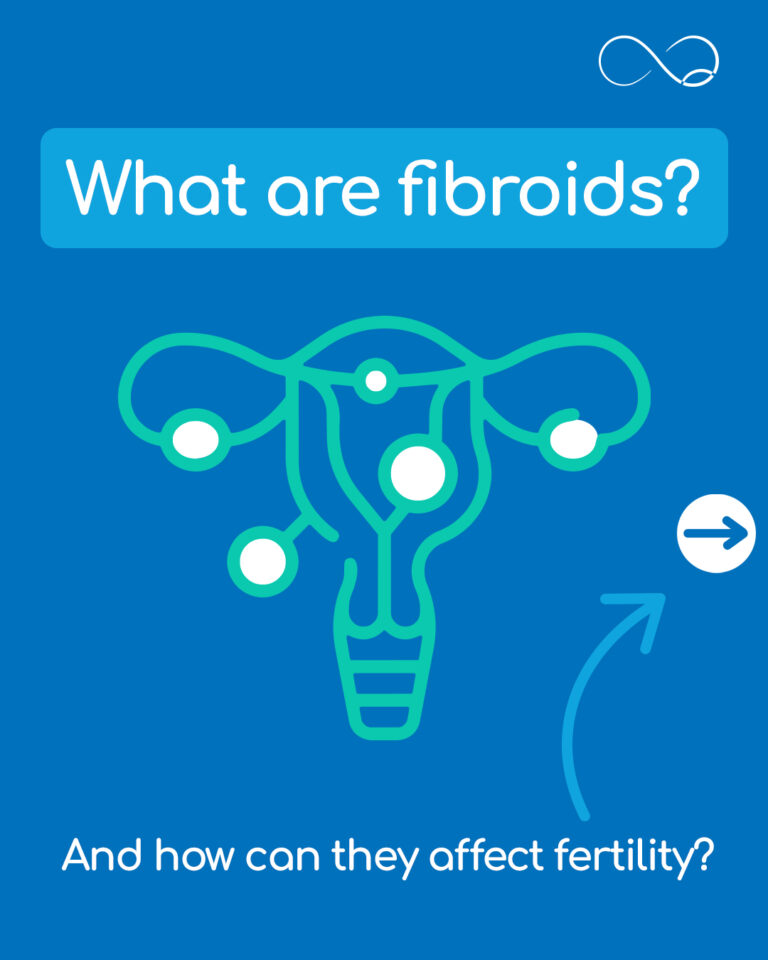
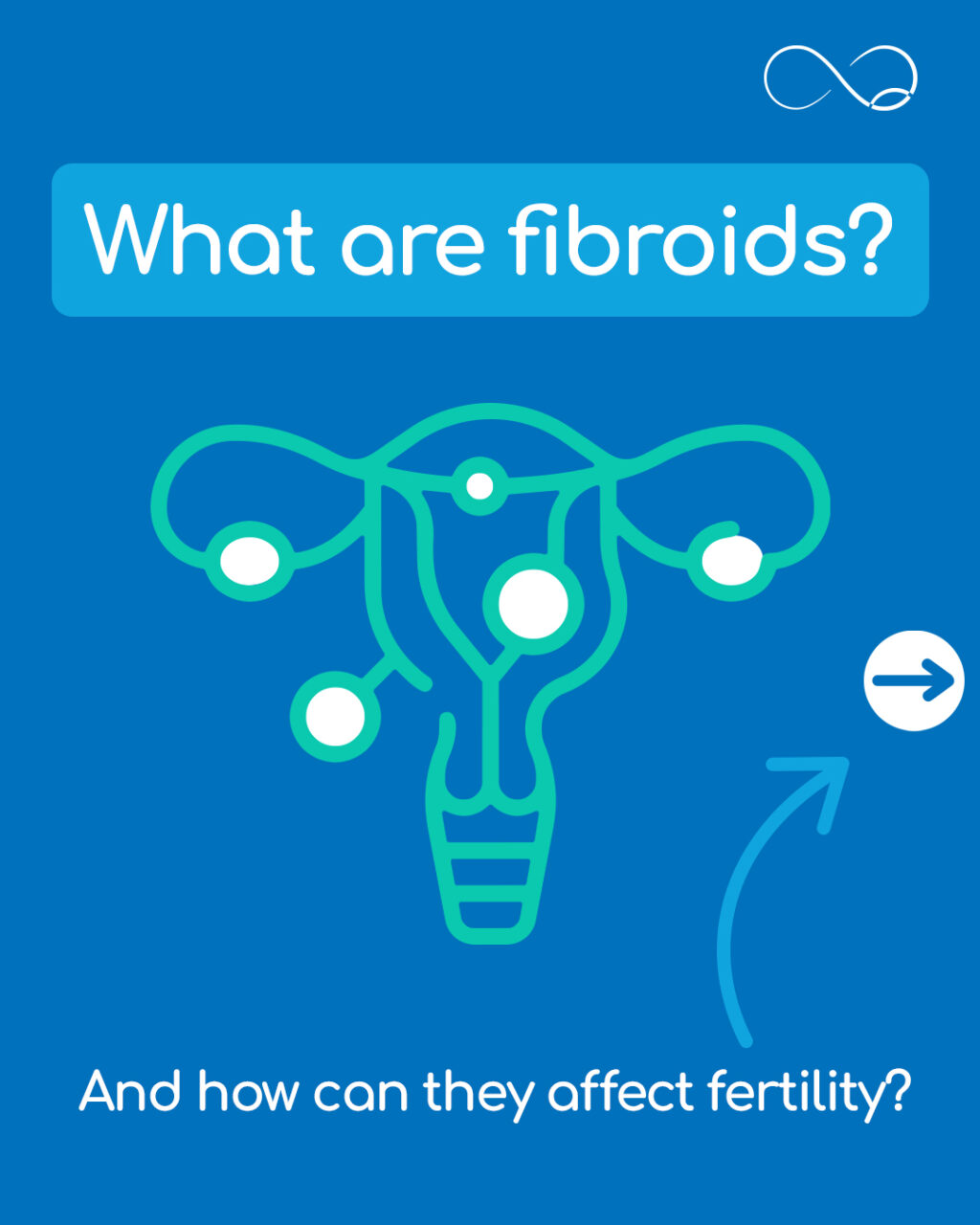
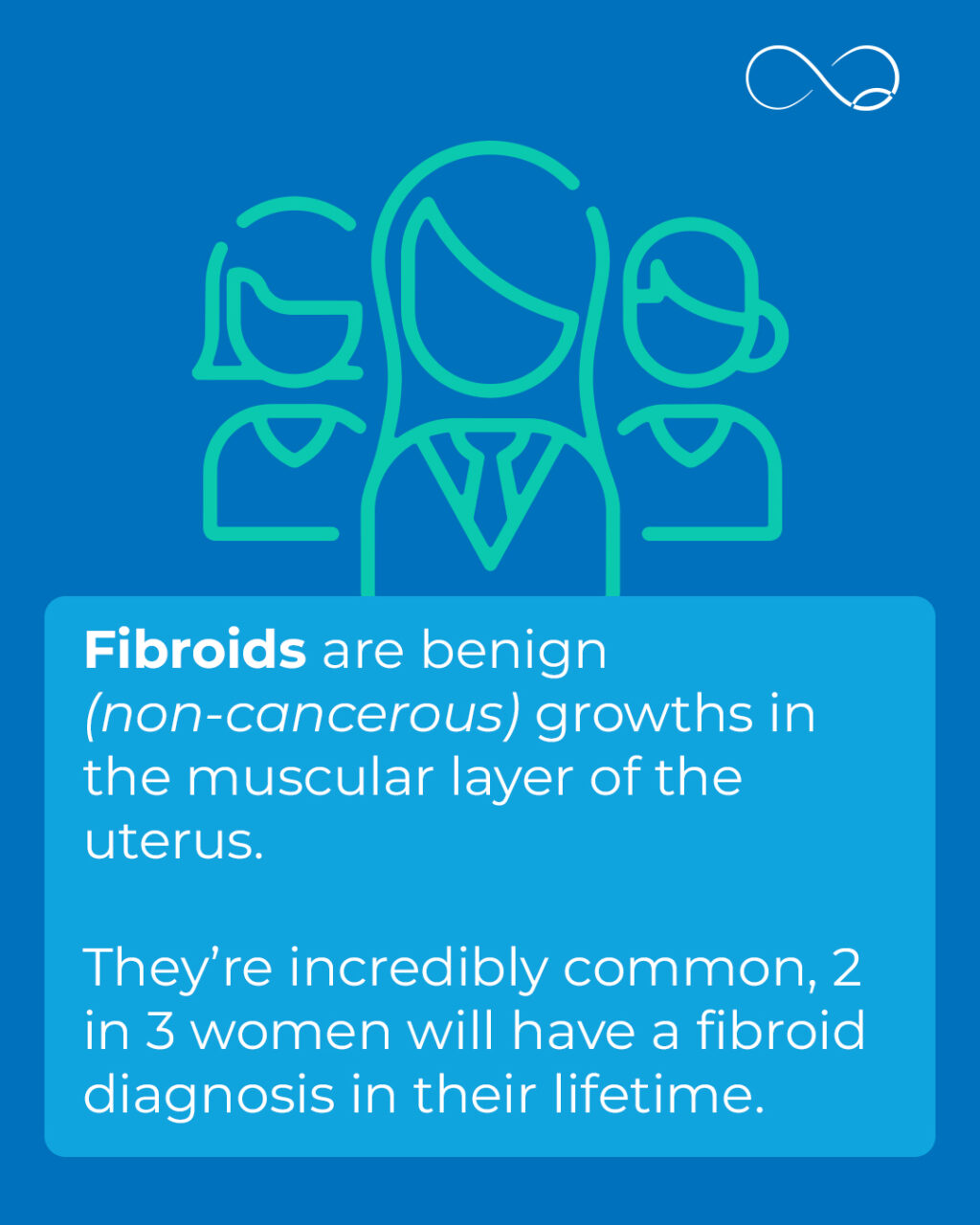
Fibroids are common, benign growths that can develop in the uterus. Many people have them without experiencing any symptoms, but in some cases, they can make it harder for an embryo to implant. As part of your initial consultation, we’ll use an ultrasound scan to check for fibroids, alongside other factors that may be affecting your fertility. If you’re seeking answers about your fertility, call or email our team to book a consultation. #fertility #fibroids
Sep 24
6