Mr Haitham Hamoda - Kings Fertility London

Mr Haitham Hamoda

Consultant in Reproductive Medicine & Surgery

Dr Haitham Hamoda is a Consultant Gynaecologist and subspecialist in Reproductive Medicine and Surgery. He is the Clinical Lead for the Menopause Service at King’s College Hospital and is the Chair Elect for the British Menopause Society. He is the first author of The British Menopause Society & Women’s Health Concern 2016 recommendations on hormone replacement therapy in menopausal women and author of the British Menopause Society guideline on the management of women with premature ovarian insufficiency 2017. He is co-author of the Royal College of Obstetricians and Gynaecologists Green Top guideline on the management of ovarian hyperstimulation syndrome (OHSS).

His areas of interest include infertility and assisted reproduction, premature ovarian insufficiency (POI) and menopause, gynaecological endocrinology including polycystic ovary syndrome, management of fibroids and endometriosis and minimal access surgery.

In addition, Mr Hamoda has published widely in his specialised field and is actively involved in ongoing research projects both locally and nationally and teaches at undergraduate and postgraduate level.

Mr Hamoda qualified in 1994 and was admitted as a member of the Royal College of Obstetricians and Gynaecologists in 2000. He was awarded a degree of Doctor of Medicine (MD) from the University of Aberdeen and obtained his accreditation as a subspecialist in reproductive medicine and surgery at Guy’s and St Thomas’ Hospital.

Spotted on King Fertility’s socials

You might think fertility problems have obvious symptoms, like irregular periods or abdominal pain.

However, many causes of infertility have no indicators you can see or feel yourself. For example, low sperm count or blocked tubes can be completely symptom-free.

Testing is often the only way to get the answers you need.

You might think fertility problems have obvious symptoms, like irregular periods or abdominal pain. However, many causes of infertility have no indicators you can see or feel yourself. For example, low sperm count or blocked tubes can be completely symptom-free. Testing is often the only way to get the answers you need.

Aug 20

4

Can you naturally influence the likelihood of having a boy or girl?

The Shettles method says by having sex closer to ovulation you're more likely to have a boy – because male Y-sperm are speedier and more likely to reach the egg first. Whereas, female X-sperm are hardier and outlive male sperm – so having sex a few days before ovulation makes it more likely you'll have a girl.

It's an interesting theory, but it's not backed up by science. Modern studies using DNA-tagged sperm have shown no significant difference in swimming speed, lifespan, or fertilisation rates between X and Y sperm. In reality, the race is far more about sheer luck.

Can you naturally influence the likelihood of having a boy or girl? The Shettles method says by having sex closer to ovulation you're more likely to have a boy – because male Y-sperm are speedier and more likely to reach the egg first. Whereas, female X-sperm are hardier and outlive male sperm – so having sex a few days before ovulation makes it more likely you'll have a girl. It's an interesting theory, but it's not backed up by science. Modern studies using DNA-tagged sperm have shown no significant difference in swimming speed, lifespan, or fertilisation rates between X and Y sperm. In reality, the race is far more about sheer luck.

Aug 17

14

If you're diagnosed with slow swimmers, there's lots of treatment options that can help.

However, which treatment we recommend will depend entirely on what exactly's causing the issue. That's why it's essential to come in for a consultation so we can determine the best next steps for you personally.

If you're diagnosed with slow swimmers, there's lots of treatment options that can help. However, which treatment we recommend will depend entirely on what exactly's causing the issue. That's why it's essential to come in for a consultation so we can determine the best next steps for you personally.

Aug 13

7

Why are weight-loss drugs like Ozempic causing unexpected pregnancies?

Ozempic doesn't directly affect your fertility per se, however, it can have indirect effects. It can affect how the body absorbs oral contraception, which has lead to unexpected pregnancies for those on the pill. Also, by assisting with insulin sensitivity and weight loss, it can influence your reproductive hormones indirectly and therefore naturally kickstart ovulation and lead to conception – especially for those managing conditions like PCOS/PMOS.

However, while it may improve fertility for some, we don't currently prescribe it to patients solely for this purpose. Much more research needs to be conducted into the safety of taking Ozempic while pregnant.

Why are weight-loss drugs like Ozempic causing unexpected pregnancies? Ozempic doesn't directly affect your fertility per se, however, it can have indirect effects. It can affect how the body absorbs oral contraception, which has lead to unexpected pregnancies for those on the pill. Also, by assisting with insulin sensitivity and weight loss, it can influence your reproductive hormones indirectly and therefore naturally kickstart ovulation and lead to conception – especially for those managing conditions like PCOS/PMOS. However, while it may improve fertility for some, we don't currently prescribe it to patients solely for this purpose. Much more research needs to be conducted into the safety of taking Ozempic while pregnant.

Aug 10

10

You might think you need to wait for your body to 'detox' from the pill before you can get pregnant.

The truth is, your natural fertility usually returns very quickly. Many people conceive within 1-3 months. For others, it may take longer – up to a year – but this is still considered a normal timeframe.

In short, it's perfectly safe to start trying for a baby immediately after stopping the pill.

You might think you need to wait for your body to 'detox' from the pill before you can get pregnant. The truth is, your natural fertility usually returns very quickly. Many people conceive within 1-3 months. For others, it may take longer – up to a year – but this is still considered a normal timeframe. In short, it's perfectly safe to start trying for a baby immediately after stopping the pill.

Aug 7

4

This is what makes all our efforts worth it.

Giving the best medical care and advice available is essential. But equally important is the compassion and emotional support it's delivered with. We take a great deal of pride in how supported our team makes our patients feel throughout their fertility journey.

If you're struggling with fertility, please don't hesitate to get in touch 💙

This is what makes all our efforts worth it. Giving the best medical care and advice available is essential. But equally important is the compassion and emotional support it's delivered with. We take a great deal of pride in how supported our team makes our patients feel throughout their fertility journey. If you're struggling with fertility, please don't hesitate to get in touch 💙

Aug 4

12

Has there been a global decrease in sperm count?

Dr Sarris addresses the recent research that suggests ‘forever chemicals’ are causing a male fertility crisis.

Has there been a global decrease in sperm count? Dr Sarris addresses the recent research that suggests ‘forever chemicals’ are causing a male fertility crisis.

Jul 30

18

It’s easy to become stressed when trying to conceive. And annoyingly, it’s easy to become stressed about being stressed!

But the important thing to remember is that infertility is rarely caused by stress alone. Try to give yourself and your body patience during this period. Where possible, dedicate time to activities that ground you and always reach out for support when you need it.

It’s easy to become stressed when trying to conceive. And annoyingly, it’s easy to become stressed about being stressed! But the important thing to remember is that infertility is rarely caused by stress alone. Try to give yourself and your body patience during this period. Where possible, dedicate time to activities that ground you and always reach out for support when you need it.

Jul 28

8

Did you know that when you were a tiny embryo, every time your cells divided, they had to copy 3 billion letters of DNA (without error, most of the time)!

That’s like perfectly retyping the entire English Wikipedia from scratch every few hours… Without a single typo.

It's nature's incredible copying machines 🧬

Did you know that when you were a tiny embryo, every time your cells divided, they had to copy 3 billion letters of DNA (without error, most of the time)! That’s like perfectly retyping the entire English Wikipedia from scratch every few hours… Without a single typo. It's nature's incredible copying machines 🧬

Jul 26

13

Female infertility is generally defined as not conceiving after a year of regular, unprotected sex.

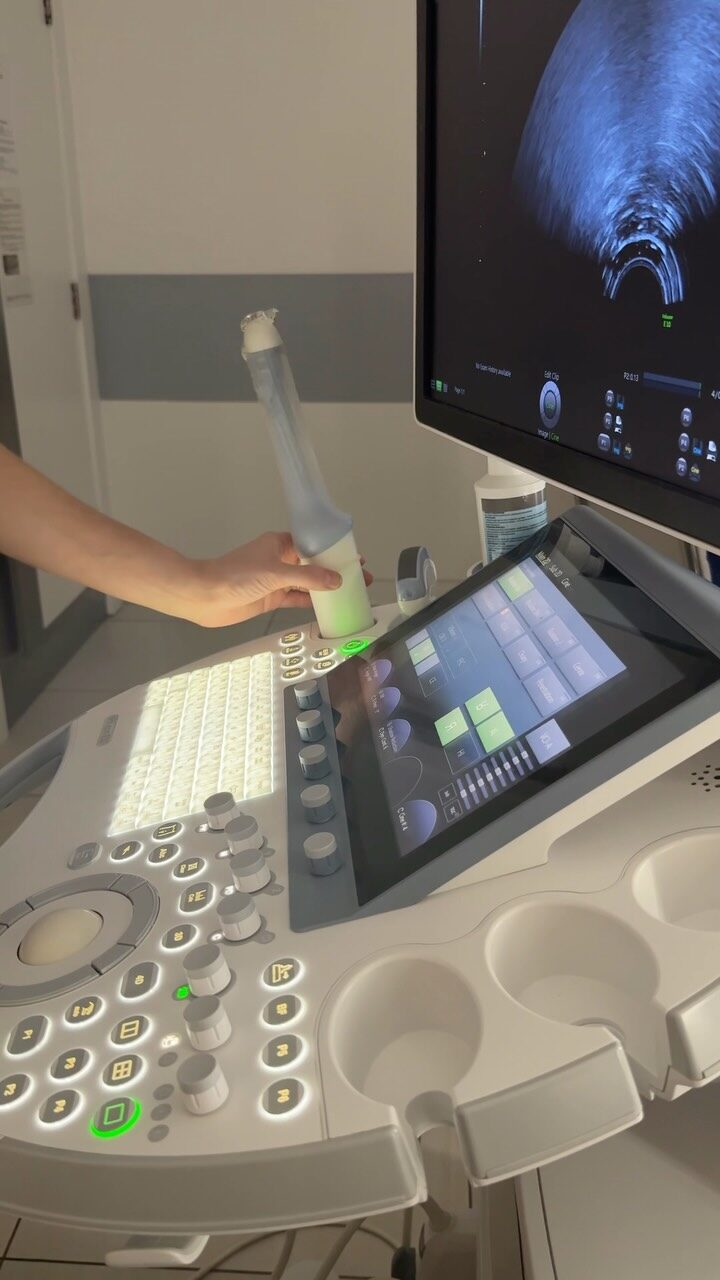
There are many different reasons why you may be struggling to conceive. Often, a discussion of your medical history and a pelvic ultrasound scan is enough to diagnose the cause and agree on a treatment plan. If the cause remains unclear, we may recommend further investigations like hormone testing or a fallopian tube assessment.

Our goal is always to give you clear answers and a personalised plan.

Female infertility is generally defined as not conceiving after a year of regular, unprotected sex. There are many different reasons why you may be struggling to conceive. Often, a discussion of your medical history and a pelvic ultrasound scan is enough to diagnose the cause and agree on a treatment plan. If the cause remains unclear, we may recommend further investigations like hormone testing or a fallopian tube assessment. Our goal is always to give you clear answers and a personalised plan.

Jul 22

2

Meet the team

Dr Ippokratis Sarris - Kings Fertility London

Dr Ippokratis Sarris

Director and Consultant in Reproductive Medicine
Dr Sarah Evans - Kings Fertility London

Dr Sarah Evans

Consultant in Reproductive Medicine
Dr Rachel Imrie - Kings Fertility London

Dr Rachel Imrie

Consultant in Reproductive Medicine
Dr Maryam Modarres-Moffett - Kings Fertility London

Dr Maryam Modarres-Moffett

Consultant in Reproductive Medicine
Dr Sadaf Shaikh - Kings Fertility London

Dr Sadaf Shaikh

Consultant in Reproductive Medicine & Assisted Conception
Dr Kugajeevan Vignesawaran - Kings Fertility London

Dr Kugajeevan
Vigneswaran

Consultant in Reproductive Medicine
Dr Freya Baird - Kings Fertility London

Dr Freya Baird

Speciality Doctor in Reproductive Medicine
Mr Nitish Narveka - Kings Fertility London

Mr Nitish Narvekar

Consultant in Reproductive Medicine & Surgery