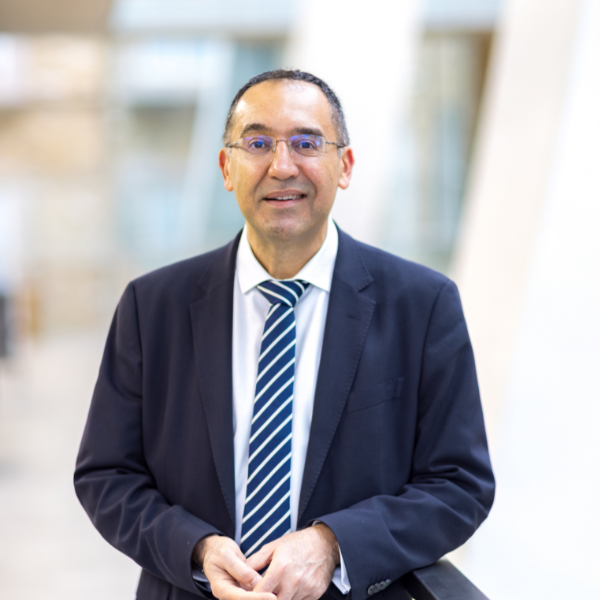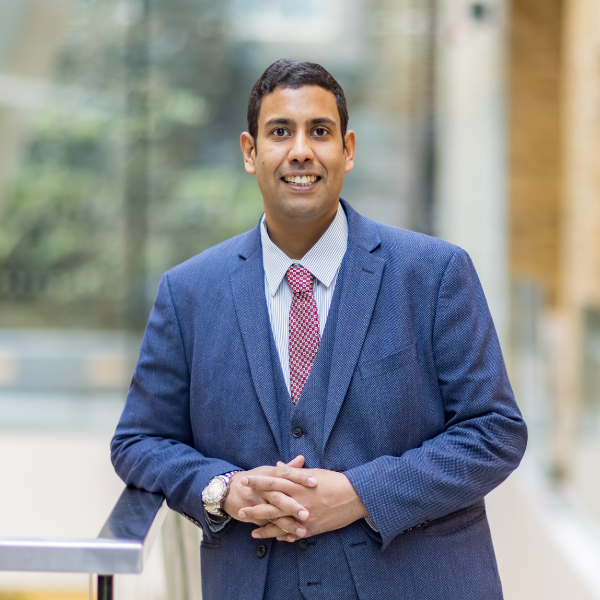
Dr Venkatesh Subramanian

Consultant in Obstetrics, Gynaecology and Reproductive Medicine

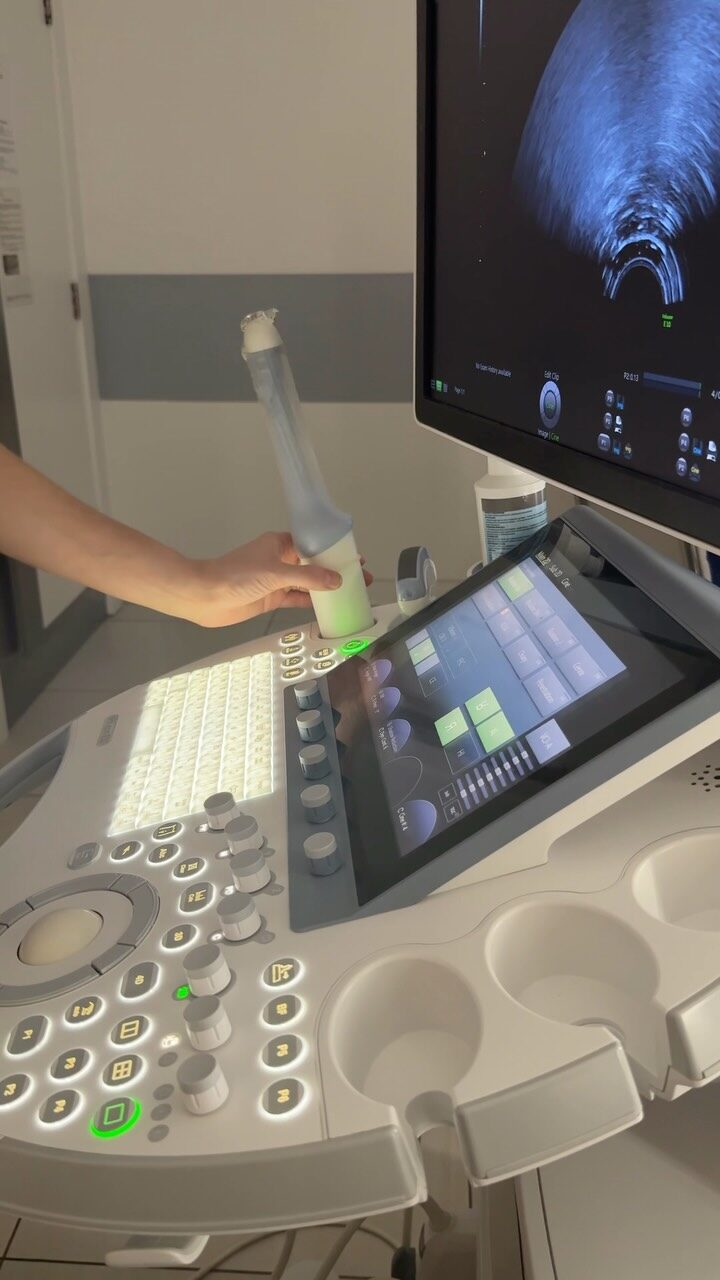
Dr Venkatesh Subramanian is a consultant in Obstetrics, Gynaecology and Reproductive Medicine at King’s Fertility and King’s College Hospital. His areas of expertise include reproductive medicine and surgery, early pregnancy and advanced gynaecological ultrasound. He is the lead for
hysteroscopy at King’s College Hospital and the regional preceptor for hysteroscopy training.

Dr Subramanian graduated from the University of Nottingham and trained in the prestigious South London rotation including King’s College Hospital and Guy’s and St Thomas’. During his training, he acquired accreditation from the Royal College of Obstetricians and Gynaecologists in the medical and surgical management of infertility, complications of early pregnancy and hysteroscopic surgery.

Dr Subramanian also undertook a competitive senior clinical fellowship in reproductive medicine at King’s Fertility. During this high-volume fellowship, he became proficient in all aspects of reproductive medicine including assisted conception care, fertility preservation for social and medical reasons as well as oocyte retrieval, intrauterine insemination and embryo transfer procedures. The culmination of this experience led to him being independently accredited for his skills and expertise in the field by the British Fertility Society.

He has published in leading journals such as the BMJ, BJOG and Human Reproduction as well as book chapters in the field of reproductive medicine. He has presented nationally and internationally, won numerous prizes and was awarded an MPhil for his research in reproductive surgical simulation.

Dr Subramanian currently undertakes a high-volume clinical practice, with standardisation of care that is evidence based but ensuring that his treatment plans are individualised and tailored to the needs of his patients.

Spotted on King Fertility’s socials

A predictable cycle is helpful, but it doesn’t tell the whole story.

If you’ve been trying for a while without success, testing can provide clarity and direction.

Don’t rely on guesswork.

#KingsFertility #FertilityTesting #WomensHealth #TTCJourney

A predictable cycle is helpful, but it doesn’t tell the whole story. If you’ve been trying for a while without success, testing can provide clarity and direction. Don’t rely on guesswork. #KingsFertility #FertilityTesting #WomensHealth #TTCJourney

May 31

4

It's very common to feel stressed when you're struggling to conceive. 

The good news is that while it's true chronic stress can affect hormones and reproductive outcomes, short-term stress isn't a deal breaker.

Gentle stress management like walks and mindfulness exercises can help more than you think.

It's very common to feel stressed when you're struggling to conceive. The good news is that while it's true chronic stress can affect hormones and reproductive outcomes, short-term stress isn't a deal breaker. Gentle stress management like walks and mindfulness exercises can help more than you think.

May 30

11

Fertility isn’t just about egg age.

Male fertility also changes over time, impacting conception and miscarriage risk.

It’s always a shared story.

#KingsFertility #MaleFertility #FertilityFacts #ReproductiveHealth

Fertility isn’t just about egg age. Male fertility also changes over time, impacting conception and miscarriage risk. It’s always a shared story. #KingsFertility #MaleFertility #FertilityFacts #ReproductiveHealth

May 28

9

Did you know that before a heartbeat is even visible, the embryo is already preparing for the next generation?

At just 5 1/2 weeks of gestation, the 'primordial germ cells’ form. These will eventually become the baby's future egg or sperm cells.

In other words, just as life is beginning, nature is already preparing for its continuation.

Follow our page for more fun fertility facts from Dr Sarris.

Did you know that before a heartbeat is even visible, the embryo is already preparing for the next generation? At just 5 1/2 weeks of gestation, the 'primordial germ cells’ form. These will eventually become the baby's future egg or sperm cells. In other words, just as life is beginning, nature is already preparing for its continuation. Follow our page for more fun fertility facts from Dr Sarris.

May 26

29

Generally speaking, most women can fall pregnant around one to three months after stopping hormonal contraception. 

However, the actual timeframe varies depending on the type of hormonal contraception you were taking and your medical history. 

Follow us for more fertility facts.

Generally speaking, most women can fall pregnant around one to three months after stopping hormonal contraception. However, the actual timeframe varies depending on the type of hormonal contraception you were taking and your medical history. Follow us for more fertility facts.

May 20

7

Many people believe certain positions after sex, like putting your legs in the air, can help improve your chances of conception. 

However, the fact is that sperm is incredibly fast – no post-sex position will truly affect their chances of fertilising the egg. The best thing to do is let nature take its course. 

Stay tuned for more fertility facts.

Many people believe certain positions after sex, like putting your legs in the air, can help improve your chances of conception. However, the fact is that sperm is incredibly fast – no post-sex position will truly affect their chances of fertilising the egg. The best thing to do is let nature take its course. Stay tuned for more fertility facts.

May 18

12

We often get asked if it's okay to drink caffeine while trying to conceive. While a little caffeine is okay, you should limit your intake to less than 150mg a day – that's about 1-2 cups of coffee. 

Drinking more than that has been linked to slightly lower conception rates and slightly higher miscarriage rates. 

As with everything in fertility – moderation is key.

We often get asked if it's okay to drink caffeine while trying to conceive. While a little caffeine is okay, you should limit your intake to less than 150mg a day – that's about 1-2 cups of coffee. Drinking more than that has been linked to slightly lower conception rates and slightly higher miscarriage rates. As with everything in fertility – moderation is key.

May 17

21

This Mental Health Week, we’re sharing 3 ways you can support loved ones on their fertility journey 💙

#mentalhealth #ivf #fertility

This Mental Health Week, we’re sharing 3 ways you can support loved ones on their fertility journey 💙 #mentalhealth #ivf #fertility

May 14

13

It’s Mental Health Awareness Week 🤍

For those on their fertility journey, it’s important to remember that feelings of uncertainty and loneliness are incredibly common. Remain kind to yourself during this chapter and don’t hesitate to reach out for help if you need it. Whether that’s to friends, family, a support group or our specialist support team. We’re here to offer compassion, care and an understanding ear this week and every week.

#mentalhealth #ivf #fertility

It’s Mental Health Awareness Week 🤍 For those on their fertility journey, it’s important to remember that feelings of uncertainty and loneliness are incredibly common. Remain kind to yourself during this chapter and don’t hesitate to reach out for help if you need it. Whether that’s to friends, family, a support group or our specialist support team. We’re here to offer compassion, care and an understanding ear this week and every week. #mentalhealth #ivf #fertility

May 12

11

What do actual fertility experts think about the TikTok "spermmaxxing" craze? Dr. Sarris shared his medical take on the trend in a recent feature for GQ. 

Swipe to see his quotes, and click the link in our bio to read the full piece.

#GQ #fertility #tiktok

What do actual fertility experts think about the TikTok "spermmaxxing" craze? Dr. Sarris shared his medical take on the trend in a recent feature for GQ. Swipe to see his quotes, and click the link in our bio to read the full piece. #GQ #fertility #tiktok

Apr 30

10

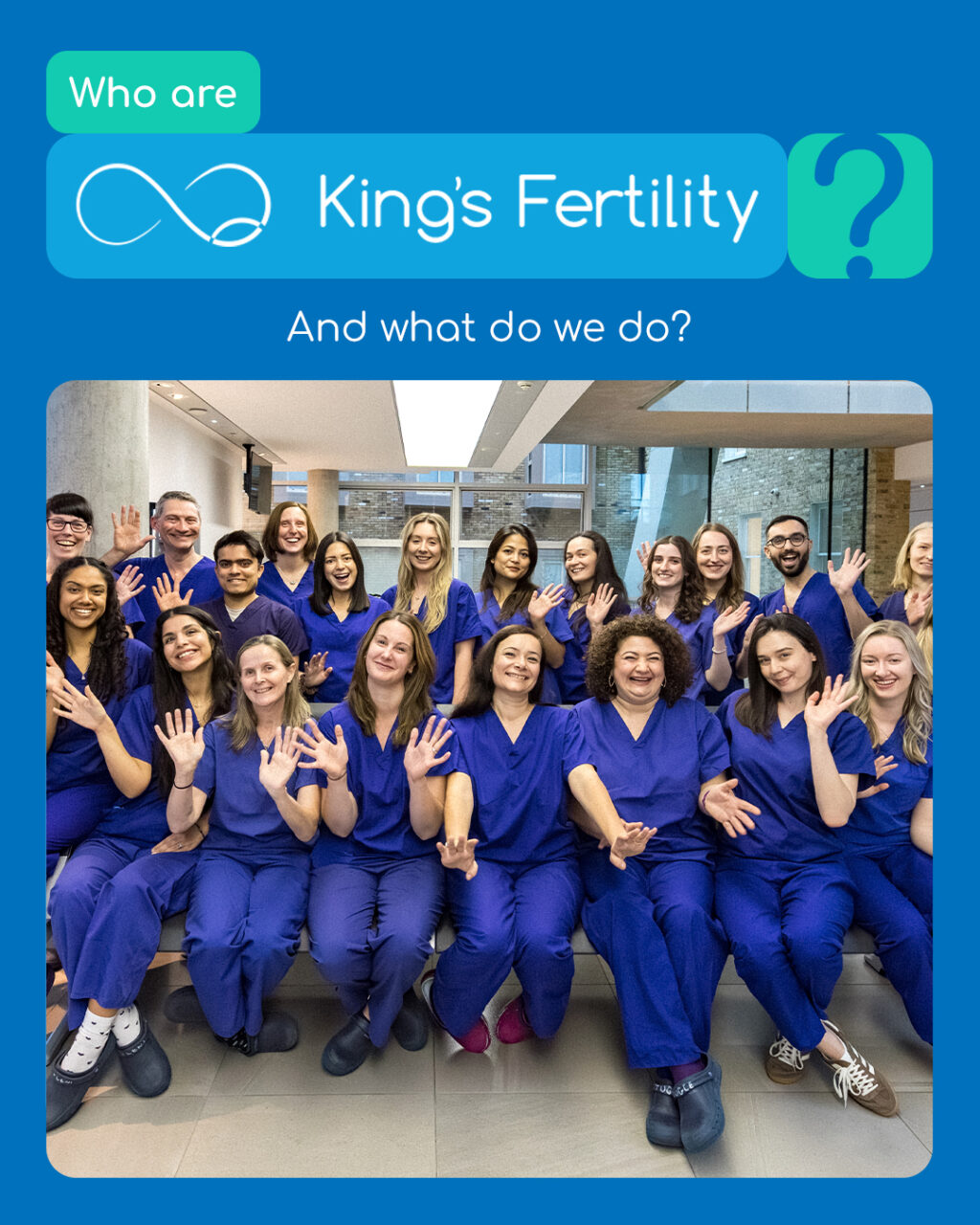
Meet the team

Dr Ippokratis Sarris

Director and Consultant in Reproductive Medicine

Dr Sarah Evans

Consultant in Reproductive Medicine

Dr Rachel Imrie

Consultant in Reproductive Medicine

Dr Maryam Modarres-Moffett

Consultant in Reproductive Medicine

Dr Sadaf Shaikh

Consultant in Reproductive Medicine & Assisted Conception

Dr Kugajeevan
Vigneswaran

Consultant in Reproductive Medicine

Dr Freya Baird

Speciality Doctor in Reproductive Medicine

Mr Haitham Hamoda

Consultant in Reproductive Medicine & Surgery